Why Cosmos Aren't Blooming: Diagnose the Leaves
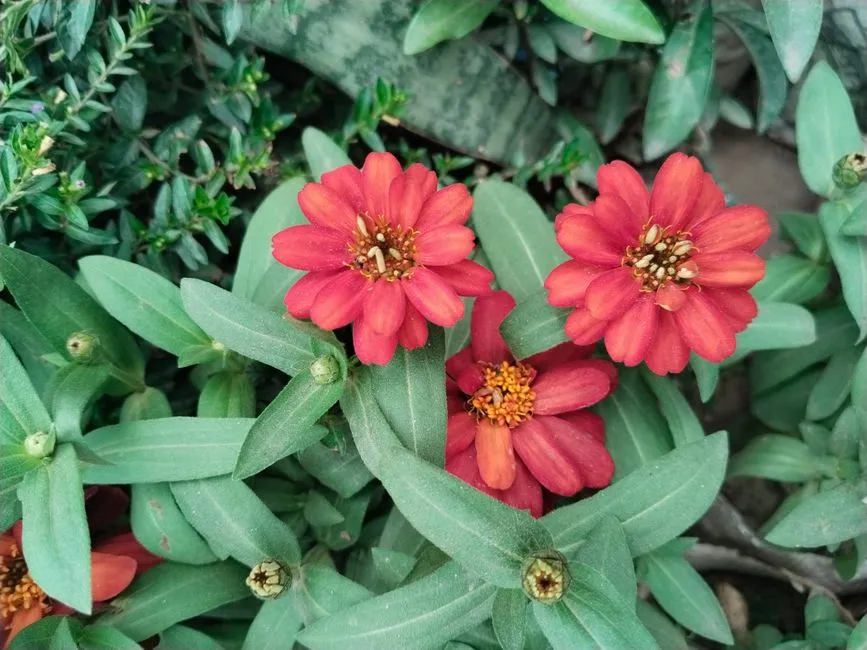
Read the plant before buying it another product
A cosmos plant with tall ferny foliage and no flowers is not withholding blooms out of spite. It is responding to genetics, age, light, fertility, water, temperature, or stress. The fastest diagnosis begins with observation, not a “bloom booster.”
First confirm that the plant is cosmos and identify the species and cultivar if possible. Cosmos bipinnatus and Cosmos sulphureus differ, and cultivars vary in height and flowering time. Find the seed packet, nursery label, or order record. Compare the plant's age with the supplier's expected days to bloom, remembering that those numbers are estimates under suitable conditions, not a legally binding appointment.
Cosmos are tender annuals. A late sowing may simply need time, especially after cool weather or transplant stress. If your typical first frost is close and the cultivar is still immature, no fertilizer can negotiate a longer season.
Diagnose in this order
1. Has the plant reached its likely flowering window?
Record when seed was sown and whether the plant was direct-sown or transplanted. Count from germination rather than purchase day. Cool soil, root disturbance, drought, pest damage, and prolonged cloud can slow establishment.
Look closely at growing tips for small buds before making any cut. Buds can hide among fine foliage. If the plant is healthy, appropriately sized for its cultivar, and only a little behind the packet estimate, patience may be the correct intervention. This is horticulture's least marketable product, probably because it will not fit in a bottle.
2. Is “full sun” actually full sun?
Illinois Extension identifies cosmos as a full-sun annual. Measure direct light across a clear day after surrounding trees have leafed out. A bed can be bright without receiving sustained direct sun, and a wall or hedge may cast a longer summer shadow than your spring plan predicted.
Shade often brings fewer flowers, weaker stretched stems, or leaning toward the light. Trim only vegetation you own and can prune safely. If the cosmos is young enough to move, transplant during mild conditions with as much root ball as possible, water it in, and expect temporary stress. A large established plant may be better left to finish the season while you choose a sunnier site next year.
Moving a shaded plant into intense sun requires some acclimation if foliage has developed in low light. Sudden exposure can scorch leaves. Increase light gradually where practical rather than relocating it at noon during a heat wave and calling the experience character building.
3. Has nitrogen created a foliage department?
Cosmos generally prefer well-drained soil of modest fertility. Illinois Extension specifically warns that overfertilization can lead to fewer flowers. Nitrogen encourages leafy growth; a plant that is very tall, lush, dark green, and bloom-shy may have received more than it needs.
Stop routine feeding while you investigate. Review everything applied: granular fertilizer, liquid feed, manure, rich compost, lawn fertilizer drifting into the bed, and potting mixes with incorporated nutrients. Do not add phosphorus to “balance” nitrogen without a soil test. Excess nutrients do not form a committee and vote themselves into equilibrium.
A reputable soil test can show whether nutrients or pH need correction. Follow the lab and local extension recommendation. In the meantime, let watering move naturally through well-drained soil; do not deliberately flush a garden bed with excessive water, which can damage roots and move nutrients into waterways.
For next season, avoid placing cosmos in a heavily fed vegetable bed unless a soil test supports the plan. In a mixed small cut-flower layout, group crops thoughtfully instead of fertilizing all blocks as though they have one appetite.
4. Is the plant being overwatered?
The same Illinois source notes that overwatering can reduce flowering. Push a finger or small trowel below the surface away from the stem. If soil remains wet and airless, pause irrigation and inspect drainage. A dry-looking crust can conceal wet soil below; a wilted plant during the hottest hour can recover in evening without needing another flood.
Water demand depends on heat, wind, soil texture, root development, rainfall, and whether the plant is in a container. Water deeply when the root zone needs it, then allow suitable drainage. Do not keep mature cosmos constantly saturated.
In containers, confirm that drainage holes are open and the pot is large enough for the cultivar. Empty standing water from saucers where appropriate. In the ground, redirect roof runoff and avoid compacting wet soil. If the bed stays saturated after ordinary rain, address the site rather than treating the leaves.
5. Has stress interrupted growth?
Inspect upper and lower leaf surfaces, stems, and the soil line. Chewed tips, distorted new leaves, fine stippling, webbing, stem injury, or root damage can delay flowers. Identify an insect or disease before treating it. A local extension diagnostic service can distinguish a pest from herbicide injury, nutrient symptoms, heat damage, or an innocent resident spider.
Look for drift or accidental exposure if herbicides were used nearby. Do not compost material suspected of chemical contamination until local guidance says it is suitable. Follow every pesticide label; never use a product on cosmos unless the crop or site is listed and the application fits the label.
Wind can lodge tall plants, while crowding encourages weak stems and poor air movement. Support the plant without binding it tightly. Thin only where spacing is clearly too close, and avoid removing so much foliage that the remaining plant is suddenly exposed and stressed.
Should you pinch or cut back a flowerless cosmos?
Pinching a young, established cosmos can encourage branching, but timing and cultivar matter. It is not a guaranteed cure for absent flowers. Before cutting, search growing tips for buds and confirm that lack of light or excess fertilizer is not the actual issue.
If the plant is young and vigorous with ample season remaining, remove only the soft growing tip above a healthy leaf set, using clean fingers or snips. If it is already large, late, and developing buds, a hard cut can postpone flowering. Support it and correct care instead.
Do not confuse pinching with deadheading annual flowers. Pinching redirects active vegetative growth; deadheading removes a finished flower and seed head. A plant with no blooms cannot be deadheaded, no matter how meaningful the scissors feel in your hand.
Once flowers arrive, keep the cycle moving
Harvest cosmos stems when the first flower is opening and before the stem carries several ageing blooms. Use clean sharp snips, cut above a healthy branch or leaf node, remove foliage that would sit in vase water, and place stems promptly into a clean container.
Cutting and deadheading keep many cosmos producing rather than maturing seed. Illinois Extension recommends deadheading for continual bloom. Leave some late heads only if you want seed, the plant is not problematic in your region, and you accept that volunteers or cross-pollinated offspring may not match the parent.
The same repeat-harvest rhythm works with the flowers in the zinnia seed guide, although each crop has its own harvest stage and disease concerns.
What not to do
Do not add a high-phosphorus product without evidence. Do not water extra because flowers are “mostly water.” Do not cut the plant to the ground because a video promised a reset. Do not diagnose by foliage colour alone. And do not compare a late-sown plant in partial shade with somebody else's mature field in a warmer climate.
Make one useful change at a time and record it. Light cannot be increased by fertilizer; excess nitrogen cannot be pruned out of the soil; lost weeks cannot be returned to the calendar. Cosmos are generous when their basic conditions fit. Give the plant sun, drainage, modest feeding, time, and a diagnosis based on what is actually there. The first flower may then arrive with no interest whatsoever in taking credit for your spreadsheet.