How to Deadhead Annual Flowers Without Overcutting
- Deadheading is a specific cut, not general disapproval
- Find the right place to cut
- Use clean tools and an unhurried hand
- Deadhead on a plant-by-plant round
- Zinnias: cut to a strong branch
- Cosmos: remove the stem, not just the petals
- Marigolds and calendula: watch the swelling base
- Petunias and self-cleaning cultivars: check before working
- Know when to stop deadheading
- Deadheading versus harvesting, pinching, and cutting back
- What deadheading cannot fix
- The useful five-minute routine
Deadheading is a specific cut, not general disapproval
Deadheading means removing a faded flower and its developing seed structure. On many annuals, this interrupts seed production and encourages the plant to make more flowers. It can also tidy the bed and remove decaying material. It does not revive every plant, cure disease, or require turning a rounded annual into a green cube.
Some annuals are self-cleaning: old blooms drop without useful intervention. Sterile cultivars may not set seed. Other flowers are deliberately left to feed birds, self-sow, or provide seed for saving. Identify the plant and your goal before cutting.
Illinois Extension explains that zinnias, petunias, and geraniums commonly respond to deadheading, while removal can also prevent unwanted reseeding. Penn State Extension recommends regular rounds for specific annuals rather than assuming every species reblooms.
Find the right place to cut
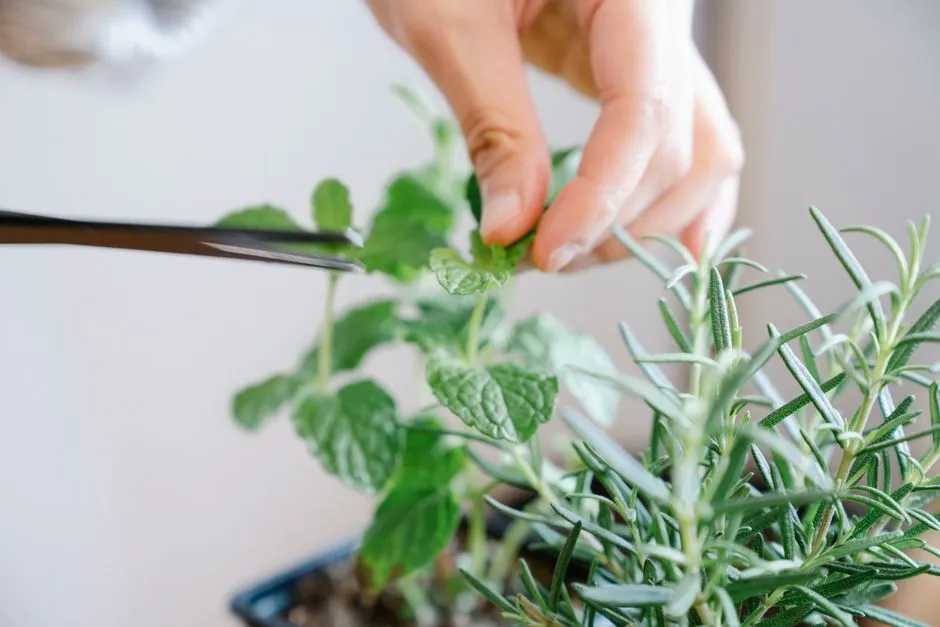
Hold the faded flower and follow its individual stem downward. Look for the first healthy pair of leaves, side shoot, or branch junction. Make a clean cut just above that point without damaging the emerging bud or leaf in the angle. Remove the whole flower base or seed head, not merely the loose petals.
That cut leaves the plant with healthy foliage and a natural place to branch. Snipping directly below the head can leave a row of bare matchsticks. Cutting far into leafy growth may remove productive shoots. The right point is close enough to remove the spent stem and high enough to preserve useful growth.
Flower clusters need species-specific handling. On snapdragons and other spikes, individual faded florets may be removed for appearance, then the finished spike cut back to a developing side shoot. On marigolds, trace the short flower stem to the next leaves. On zinnias and cosmos, follow the longer stem to a sturdy branch or leaf node.
When a plant label or breeder gives pruning instructions, use them. Compact hybrids and tall cutting strains can behave differently even under the same common name.
Use clean tools and an unhurried hand
Soft stems can often be pinched with clean fingers. Use sharp bypass snips for thicker or fibrous stems. Clean soil and sap from blades; disinfect between diseased plants according to extension guidance. A dull crushing cut damages more tissue and leaves an untidy wound.
Wear gloves where sap irritates skin or stems are rough. Know the plant's toxicity before handling it, especially around children and pets. Keep snips closed and stored when not in use. Never hold several stems in one hand and cut blindly into the bundle; fingers are not self-cleaning annuals.
Carry a small bucket. Healthy spent flowers can usually enter managed compost, but material showing suspected disease, mature unwanted seed, or pesticide restrictions may require disposal. Home compost does not reliably destroy every pathogen or seed. Ask a local extension service when the diagnosis matters.
Deadhead on a plant-by-plant round
Inspect once a week during active bloom, more often when weather and growth demand it. Penn State Extension suggests every five to seven days for flowers that benefit. A short regular circuit catches fading heads before seed matures and reveals pests, broken stems, and irrigation problems.
Work after foliage has dried and avoid handling plants when disease could spread readily. Cut during a cool comfortable part of the day when practical. If heat or storms have stressed the bed, postpone major grooming until you can see what recovers.
Finish one plant before moving to the next when symptoms are present, cleaning tools as appropriate. This is less cinematic than sweeping through the border with flashing shears, but much better for accuracy.
Zinnias: cut to a strong branch
A spent zinnia has dry petals and a centre beginning to mature seed. Follow its stem down until you find a healthy leaf pair or side branch strong enough to become the next framework. Cut just above it. Regular harvest works similarly and often makes separate deadheading unnecessary.
Our zinnia seed-to-bloom guide covers spacing and powdery mildew. If foliage shows suspicious white patches, diagnose them before composting debris or moving from plant to plant. Deadheading may improve airflow and inspection, but it does not cure established powdery mildew.
If saving seed, choose healthy flowers and leave selected heads to mature fully. Mark them with a ribbon so an efficient future version of you does not deadhead the entire breeding programme.
Cosmos: remove the stem, not just the petals
Cosmos petals fall readily, leaving a central disc that develops seed. Trace the thin stem to a leaf or side shoot and cut there. Frequent cutting encourages branching and more usable stems on many cultivars.
If a cosmos has never flowered, deadheading is not the task. Diagnose light, nitrogen, water, stress, and maturity with the cosmos flowering guide. Cutting a flowerless top may be pinching or pruning, and its timing needs a different decision.
Cosmos can self-sow. Leave seed only where volunteers are welcome and the species is suitable locally. In regions where a plant is invasive or regulated, follow local guidance and prevent seed set.
Marigolds and calendula: watch the swelling base
Remove the entire faded flower head and its short stalk back to a leaf junction. A head that has dried and firmed may already contain mature seed. Deadhead earlier for repeat bloom; leave labelled healthy heads later if saving seed.
Do not call every plant sold as “marigold” the same species. Tagetes marigolds and calendula have different identities, even though common language shares the name. Scientific labels prevent care and toxicity guidance from wandering onto the wrong plant.
Petunias and self-cleaning cultivars: check before working
Many petunias benefit when the spent flower and seed-forming base are removed, not just the wilted trumpet. Yet some modern cultivars are marketed as self-cleaning and flower without manual removal. Check the label.
If stems have become long and bare, the plant may need selective cutback rather than ordinary deadheading. Shorten only part of the plant at a time to healthy leafy growth, follow cultivar guidance, and maintain appropriate water and nutrients while it regrows. Do not shear every stem during extreme heat and expect immediate applause.
Know when to stop deadheading
Stop when you want seed to mature, when local wildlife benefits from suitable seed heads, or when frost is near and further bloom is unlikely to develop. Mark heads reserved for seed and choose healthy plants with traits worth continuing. Hybrid offspring may not match the parent, and cross-pollinated flowers can surprise you.
Perennials need their own rules. Some rebloom after deadheading; others do not, and certain stems or seed heads have winter value. This guide concerns annual flowers. Do not export its cuts to peonies, bulbs, shrubs, or native perennials without species-specific guidance.
Also stop when a plant is severely diseased, wilted from root trouble, or damaged by herbicide. More cutting may add stress while hiding evidence needed for diagnosis. Photograph symptoms, check roots and site conditions, and consult extension resources.
Deadheading versus harvesting, pinching, and cutting back
These jobs overlap at the scissors but differ in purpose:
- Deadheading removes a finished flower and developing seed.
- Harvesting removes a flower at the correct stage for display.
- Pinching removes a young growing tip to promote branching.
- Cutting back shortens a larger portion of growth to reshape or renew it.
In a small cut-flower bed, regular harvest often performs the deadheading function. A missed bloom later gets deadheaded. A young plant may be pinched before either process begins. Name the job so you choose the right timing and node.
What deadheading cannot fix
A plant without enough sun will not photosynthesise more because its brown flowers are gone. Excess nitrogen, saturated roots, drought, crowding, or a cultivar unsuited to the climate needs its own correction. Deadheading redirects reproductive effort; it does not replace diagnosis.
Nor does every removed head produce a predictable number of new blooms. Weather, plant health, species, cultivar, and remaining season all affect the response. Claims that one snip “guarantees three flowers” confuse a possible branching pattern with an invoice.
The useful five-minute routine
Take clean snips and a bucket. Start at one end of the bed. For each plant, identify the species, find genuinely spent blooms, trace each stem to healthy growth, and cut above the junction. Remove fallen diseased-looking debris separately. Check ties, leaf undersides, and soil moisture while you are there.
Record anything odd: first powdery mildew, a broken irrigation emitter, one cultivar still flowering while another sets seed. The notes make next year's choices sharper.
Deadheading succeeds through small accurate cuts repeated when needed. It should leave the plant looking like itself, only less burdened by yesterday's flowers. If the bed looks as though it has received a military haircut, the scissors may have become the main character.