How to Harvest Cut Flowers for a Vase
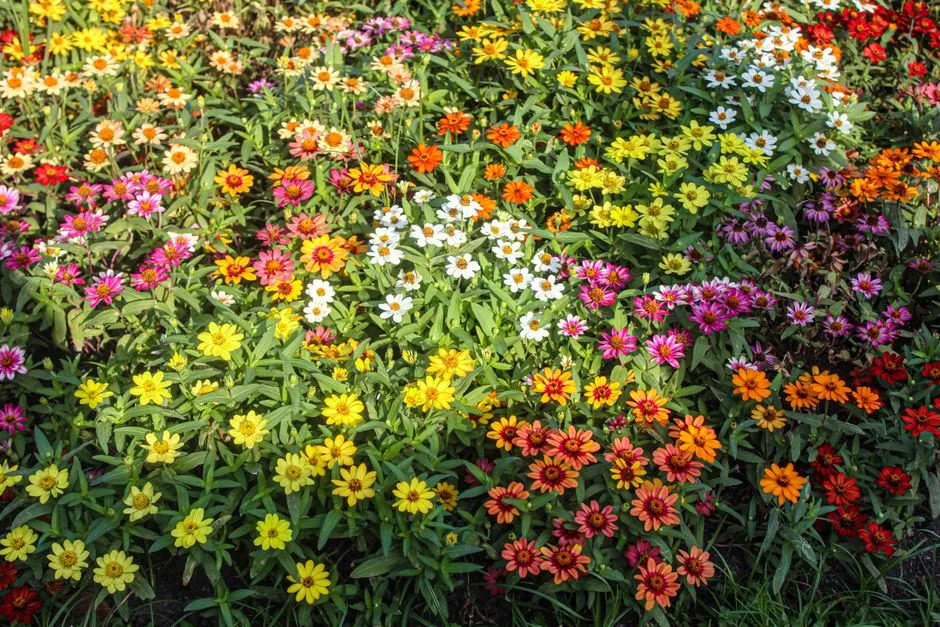
- How should you harvest cut flowers from the garden?
- Set up the bucket before making the first cut
- What time of day is best for cutting flowers?
- Cut each flower at the right opening stage
- Where should you cut the stem?
- Use a ten-stem harvest routine
- Condition the stems before arranging
- Arrange for the water, not only the photograph
- Maintain the bouquet with a two-minute check
- Diagnose a disappointing vase instead of cutting more
- Keep pets and people in the harvest plan
How should you harvest cut flowers from the garden?
Harvest cut flowers with a clean, sharp bypass pruner and a clean bucket of water already beside you. Cut during a cool part of the day, choose each species at its useful opening stage, make the stem longer than the finished arrangement needs, and put it into water immediately. Then remove foliage that would sit below the vase waterline, let the stems hydrate in a cool place, and arrange them in a clean vase.
The bucket is the important part. A beautiful armful carried dry around the garden has already begun losing the water you hope it will hold in the vase. Bring the water to the flowers, not the other way around.
Set up the bucket before making the first cut
For a home cutting bed, the useful kit is small:
- A clean bucket tall enough to support the stems
- Fresh water
- A sharp bypass pruner or floral snips
- A second container for damaged leaves and spent blooms
- Plant labels or a short harvest note when varieties need different handling
- Gloves if the plant or your skin makes them appropriate
Wash the bucket and vase with hot, soapy water and rinse them. The University of Illinois Extension's 2026 bouquet-care guide explains why this is more than tidiness: plant debris and bacteria in the water can interfere with stem uptake and shorten vase life.
Start with clean pruner blades. If you have just cut a diseased plant, stop before moving to a healthy one. The University of Minnesota Extension's current tool-cleaning guide says visible soil and debris must be removed before disinfecting, and that dirty tools can move plant pathogens. Follow the disinfectant label exactly. Never mix cleaning chemicals, keep them away from children and pets, and use the protection the label requires.
What time of day is best for cutting flowers?
Choose a cool window. Illinois Extension recommends morning harvest, when blooms are well hydrated. Penn State Extension similarly advises harvesting before the heat of the day, with the ends placed in water immediately. If an early start is not practical, a cool evening can be a reasonable house alternative; avoid the hottest, driest part of the day.
Morning does not mean packing wet petals into a bucket. If there is heavy dew or rain on disease-prone blooms, wait for the surface moisture to dry while the air is still cool. Penn State's cut-flower production guidance warns that damp flowers packed closely can encourage Botrytis, or gray mold. Keep stems off the soil and shade the bucket as you work.
This is also a useful reason to put a clear path into a small cut-flower bed. A reachable row lets you cut, turn, and place a stem in water without laying the rest of the harvest on the ground.
Cut each flower at the right opening stage
“Pick the prettiest bloom” is not a harvest stage. Some flowers continue opening after cutting; others need to be open before they leave the plant. Illinois Extension gives a useful split: sunflowers, gladiolus, and peonies can be harvested as they are beginning to open, while zinnias and dahlias should be open.
Use this as a starting card, then check the species and cultivar rather than stretching one rule across the bed:
| Flower form | Starting harvest cue | What to reject |
|---|---|---|
| Daisy-like blooms such as zinnias | Flower fully developed; stem firm | Soft stem below the head, fading petals, disease |
| Single-headed sunflowers | Petals beginning to lift or flower almost open | Loose pollen, bruised petals, weak neck |
| Spikes such as snapdragons or gladiolus | Lower flowers opening while upper buds still show colour | Browning lower florets, crushed tip |
| Dahlias | Flower open and firm | Petal damage, soft neck, over-mature centre |
| Mixed or unfamiliar species | Look up the species and cultivar before cutting | Guessing from another flower's habit |
Mississippi State University Extension's current zinnia production guide says to harvest zinnias when flowers are fully developed, in cool conditions, leaving two to three leaf pairs on the plant. Its snapdragon guide uses a different cue: florets on the lower third to half of the spike should be open.
That difference is the whole lesson. The calendar says a flower is present. The harvest cue says it is ready for a vase.
Where should you cut the stem?
First choose the length the arrangement needs, then add a little extra for the fresh recut indoors. Follow the stem down to a healthy leaf pair, lateral shoot, or node and cut just above it where that suits the plant's branching habit. Penn State's home cutting-garden guidance uses 1/4 inch above a new lateral flower, leaf, or bud as a practical starting point.
Do not take the entire useful framework of a small plant for one long stem. Leave healthy foliage and nodes that can support recovery and another branch where the species reblooms. For zinnias, keep the Mississippi State guidance of two to three leaf pairs in view. For a one-and-done stem such as gladiolus, the future crop behaves differently; Penn State notes that harvesting its floral stem ends that plant's flower production for the season.
This cut is not the same job as removing a fading flower. Our annual-flower deadheading guide shows how to choose a node when the goal is repeat bloom rather than a usable vase stem.
Make one decisive cut
Support the stem with one hand and make a clean cut with the other. Do not crush, twist, or saw through it with dull scissors. Keep fingers clear of the blades and close the pruner before walking. If a stem is woody, thorned, unusually thick, or above comfortable reach, use the correct tool and established pruning guidance; do not improvise with force or a ladder while holding a bucket.
Put the cut end into water immediately. Do not let the flower lie on the bed while you inspect five more candidates.
Use a ten-stem harvest routine
A fixed order keeps the pleasant part from becoming a warm bucket of confusion:
- Fill and shade the clean bucket.
- Inspect the plant for disease, insects, pet contamination, and damaged blooms.
- Check the species-specific opening stage.
- Choose a stem with enough length and healthy foliage left below the cut.
- Cut above the appropriate node or lateral growth.
- Place the stem directly into water.
- Remove only the foliage that would otherwise decay in bucket water.
- Repeat to ten stems, then pause and check the bucket temperature and water level.
- Carry the bucket upright and out of direct sun.
- Record the species, stage, and date if you want to learn what lasts best in your room.
That last note is worth thirty seconds. “Zinnia, fully open, Tuesday morning” is enough to compare with a tighter or later cut next week. A useful garden learns in small batches.
Condition the stems before arranging
Move the bucket to a cool, shaded place. Give the stems time to hydrate before fussing with the final design. A one- to two-hour rest is a practical home starting point, not a rule for every species.
Prepare the vase while they rest:
- Wash and rinse it thoroughly.
- Mix commercial flower food only at the label dilution.
- Strip leaves and side growth that would sit below the final waterline.
- Recut the stem ends with a clean, sharp tool just before arranging.
- Keep every cut end submerged after placement.
Illinois Extension describes commercial flower food as a combination of carbohydrate, acidifier, and biocide, and recommends using the packet's specified water volume. Do not improve the recipe by adding extra powder. Skip social-media mixtures whose concentration and plant compatibility you cannot verify.
Daffodils need a special boundary in mixed arrangements. Illinois Extension says their sap can harm the vase life of other flowers and recommends conditioning the daffodils separately in warm water for 12 to 24 hours before mixing. Do not recut them after that separate conditioning or the sap-release problem begins again.
Arrange for the water, not only the photograph
Before deciding where each bloom looks best, check what is happening below the rim. No leaves should sit in the water. The stem ends should remain submerged, with enough room that you can inspect cloudiness and top up the vase.
A simple home bouquet can use three roles:
- Structure: the longer or branching stems that establish height and width
- Focal flowers: the larger or strongest blooms that hold attention
- Movement and fill: lighter stems that connect the spaces
That is a design aid, not a required ratio. Start with fewer stems than the vase appears to need. You can add another; removing a bruised bloom from an overpacked neck is less graceful.
Keep the finished vase away from direct sun, hot appliances, heating or cooling drafts, and ripening fruit. Illinois Extension explains that ripening fruit releases ethylene, a plant hormone that can accelerate flower aging. Choose a stable surface that children and pets cannot pull down.
Maintain the bouquet with a two-minute check
Check the vase daily:
- Is every cut end still underwater?
- Is the water cloudy, discoloured, or carrying debris?
- Are any leaves submerged?
- Is one stem collapsing, slimy, or shedding damaged material?
- Is the vase still cool, stable, and away from ripening fruit?
Change the water when it becomes cloudy and, as a useful routine, every few days even when it looks acceptable. Wash the vase, recut the ends, and mix a fresh flower-food solution at the labelled dilution. Remove failing stems rather than letting them soften into the shared water.
Diagnose a disappointing vase instead of cutting more
| Symptom | Likely place to investigate | Next controlled change |
|---|---|---|
| Flowers wilt within hours | Dry time between plant and bucket; hot harvest | Bring water into the bed and harvest in the cool window |
| Water clouds quickly | Dirty vase, submerged foliage, decaying stem | Wash the vessel, strip below-water leaves, remove failed stems |
| Buds never open | Species cut too tight, weak stem, wrong conditions | Verify the harvest stage for that exact flower |
| Zinnia head bends | Stem was not mature or firm enough | Compare fully developed blooms on the next harvest |
| Lower spike flowers brown first | Spike was already too open or bruised | Harvest the next stem at its species-specific lower-floret stage |
| Arrangement fades near fruit bowl | Heat or ethylene exposure | Move it to a cooler position away from ripening produce |
| Plant stops producing after a large harvest | Too much framework removed, or species is one-and-done | Check the plant's branching and harvest habit before the next cut |
Change one variable at a time. If you change hour, opening stage, vase, additive, and display position together, the next bouquet may last longer and teach you nothing.
Keep pets and people in the harvest plan
A cut flower is still the same plant after it enters a vase. Common names are unreliable for toxicity decisions, so identify each plant by scientific name and check it against the current ASPCA toxic and non-toxic plant database or a veterinarian's guidance before bringing it into a pet-accessible room. Even a plant listed as non-toxic can cause stomach upset if chewed.
If a pet may have eaten a harmful plant, contact a veterinarian or animal poison service promptly; do not wait for a web article to identify or treat the exposure. Keep flower food, disinfectants, sharp tools, plant trimmings, and vase water out of children's and animals' reach.
For the plants still outside, return to the growing guides: zinnias from seed explains how to maintain the next crop, while cosmos that are not blooming helps diagnose a bed that has plenty of leaves but nothing ready for the bucket.
The reliable sequence is wonderfully plain: clean tool, correct stage, cool harvest, immediate water, clean vase. Do that before buying another additive. Most vase-life problems begin in the quiet five minutes between deciding to cut and finally finding the bucket.